[ RESOURCES ]
Resources
All
[0]
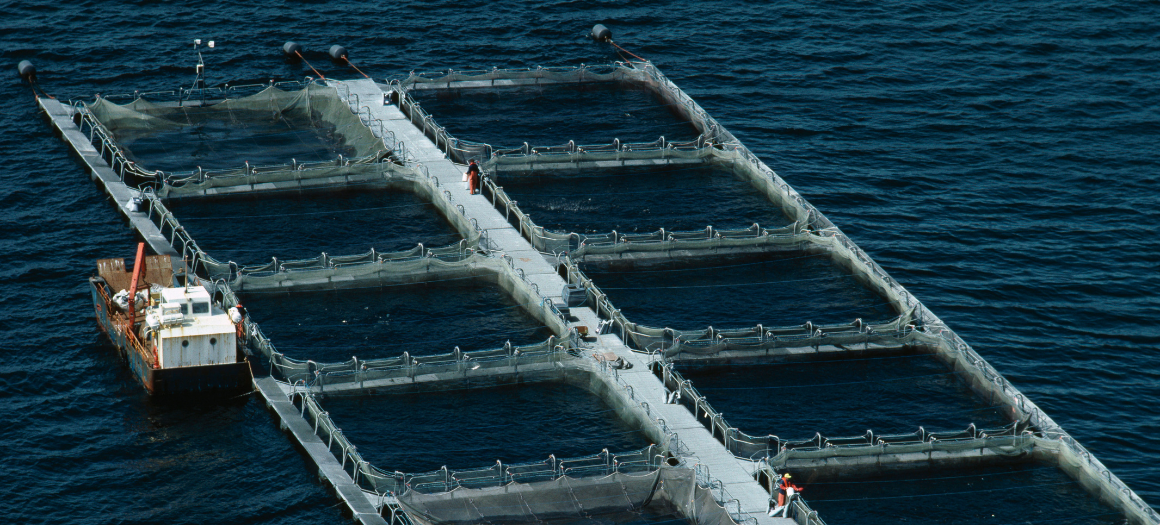
A court-ordered consultation over a 200,000-tonne salmon farming proposal has left the Falklands' marine protection plans in limbo – and a community that thought it had already won this fight bracing for round two.
A new report from the Changing Markets Foundation reveals that the FAO’s target to grow aquaculture by 75% by 2040 risks pulling tens of millions of tonnes of nutritious wild fish out of oceans and into industrial fish feed every year – and reveals that key safeguards disappeared from FAO guidance meant to prevent this outcome.
The Food and Agriculture Organization of the United Nations (FAO) was founded after the Second World War with a clear mandate: to raise levels of nutrition, improve access to food, conserve natural resources and help free humanity from hunger. It is promoting major expansion of aquaculture as a means of advancing food security, nutrition and climate action—but without establishing adequate safeguards to ensure that this growth supports those objectives. The FAO climate roadmap calls for at least 75% growth in global ‘sustainable aquaculture’ production by 2040 compared with 2020. Because FAO’s policies shape what governments, development banks, donors and businesses accept as sustainable, its target will influence aquatic food systems, food security, fishing livelihoods and the health of marine ecosystems for decades to come.
Despite trading on a cute, pastoral image, Mama Bear salmon is sourced from a company operating at the bleeding edge of destructive industrial salmon farming, according to a federal lawsuit filed today. A Mama Bear purchaser is bringing a putative class action claiming that its marketing violates consumer protection laws. The plaintiff is represented by fair food system advocacy organization FarmSTAND and the law firms Pearson Warshaw, LLP and Jennings & Earley PLLC.
The 3,500 population is divided over the venture, which would bring investment and jobs, but critics claim the environmental cost would be too high.
The podcast features 6 episodes that bring together experts from across the world to talk about Food Imperialism, the social and environmental costs of our food, and how we can make the food system fairer.
A trio of organisations has joined forces to oppose the use of florfenicol in Tasmanian waters.
The Tasmanian Rock Lobster Council, Tasmanian Abalone Council and Tasmanian Commercial Divers Association have voiced their concern about the antibiotic.
A new report confirms that over one-third of wild Atlantic salmon populations in Ireland now carry genetic material from escaped farmed fish, raising urgent concerns over the long-term survival of the iconic species.
Four years ago, we never imagined that the work we started would come this far.
Learn more about our activities and achievements from April 1st 2025 to March 31st 2026.
A Salmon Tasmania ad promoted across Facebook and Tasmanian cinemas has been removed following a breach in advertising standards.
A panel upheld a complaint that the ad could mislead the audience by suggesting the conditions under one Nubeena salmon pen is representative of all salmon pens.
When Alessandro Bocconcelli first traveled to the Los Lagos region in southern Chile in 2014, he was captivated by its immense beauty. Located adjacent to the Pacific Ocean in the Chilean Patagonia, the region includes a large internal sea surrounded by enormous swaths of untouched wilderness. It is home to an abundance of marine life, including the blue whale.
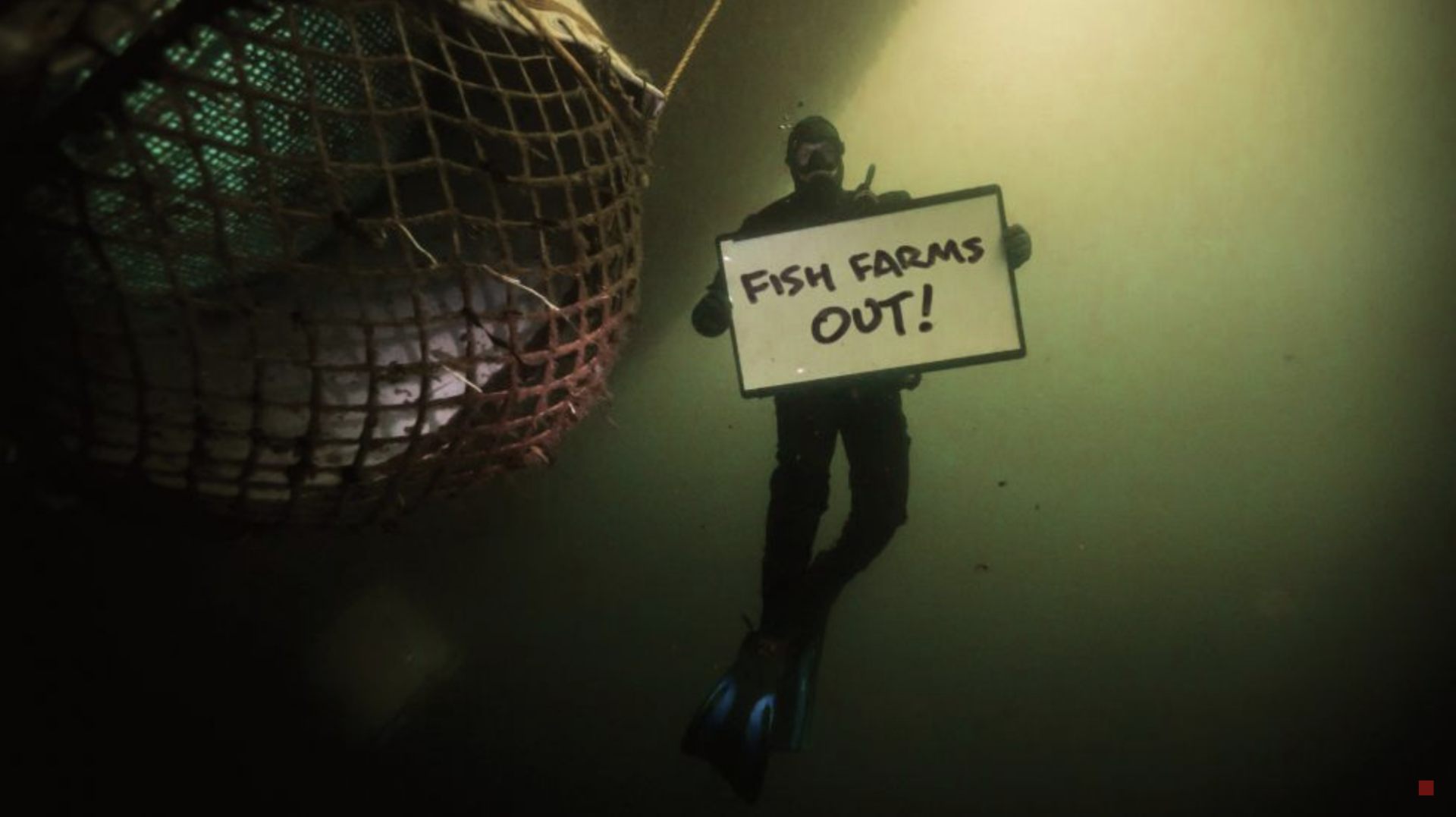
But it has also been the subject of controversy due to the influx of salmon farming in the area.
On Wednesday afternoon, it was revealed that the Tierra del Fuego government had signed a letter of intent with Wanchese Argentina, a subsidiary of Cooke Canada, to promote the establishment of a salmon farming operation on the island.
For years, Scotland’s salmon industry has sold an image of cold, clean seas and “responsibly farmed” fish. Behind that marketing, regulators have been sitting on welfare inspection reports detailing mass mortalities, gruesome failures and shocking conditions on farms linked to supermarket favourites Co‑op and Marks & Spencer.
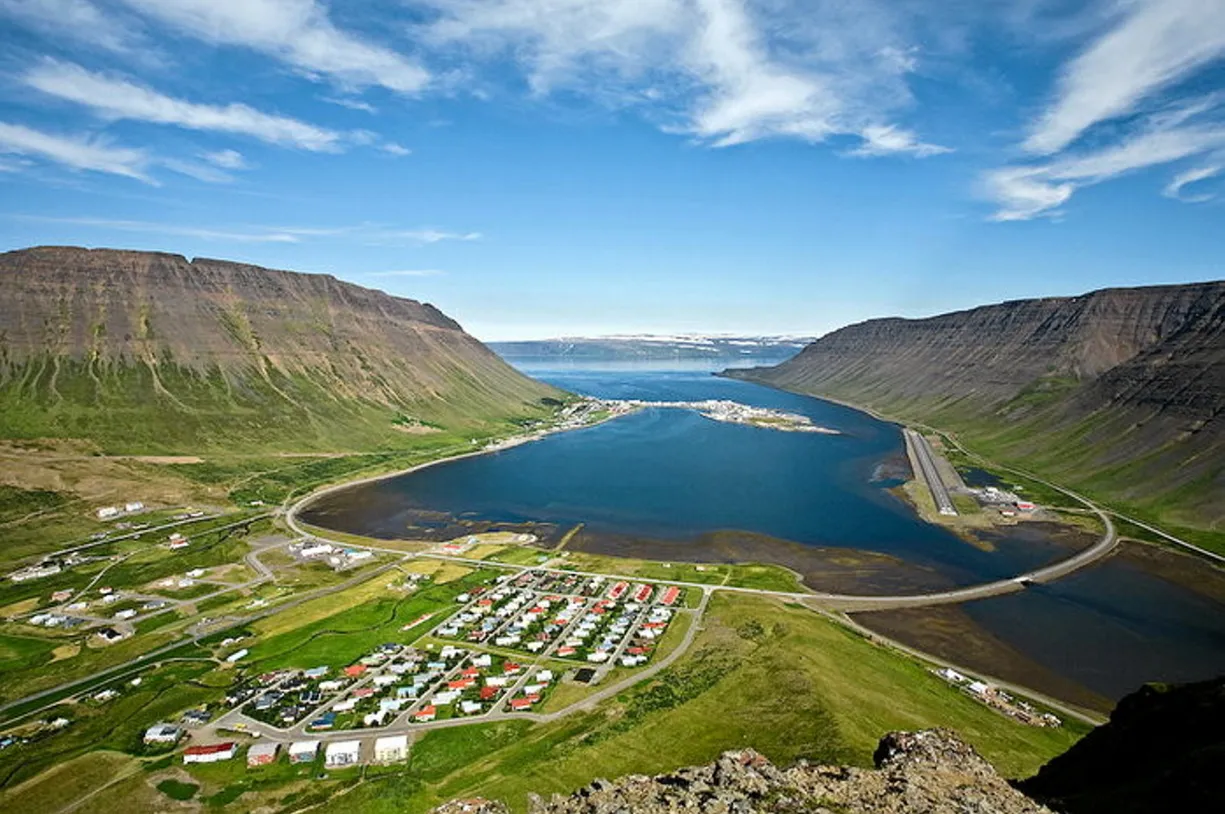
In a little more than 50 years, the population of wild North Atlantic salmon has plummeted by 75%. Today, it is estimated that fewer than 60,000 exist in and around Iceland. Unless we do something soon, we may be condemning what Icelandic environmentalist and wild fish advocate Orri Vigfússon has called the “king of fish” to extinction.
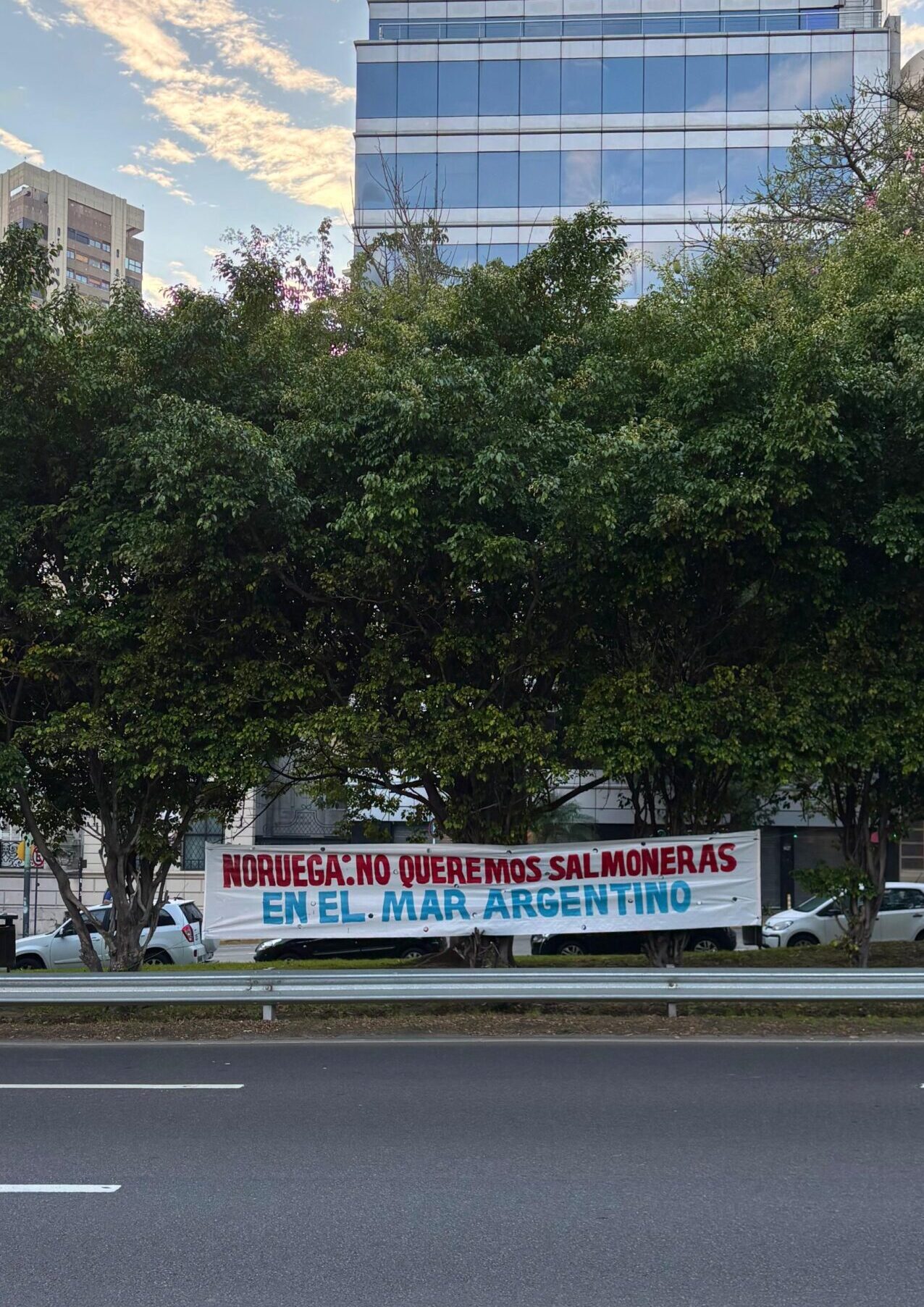
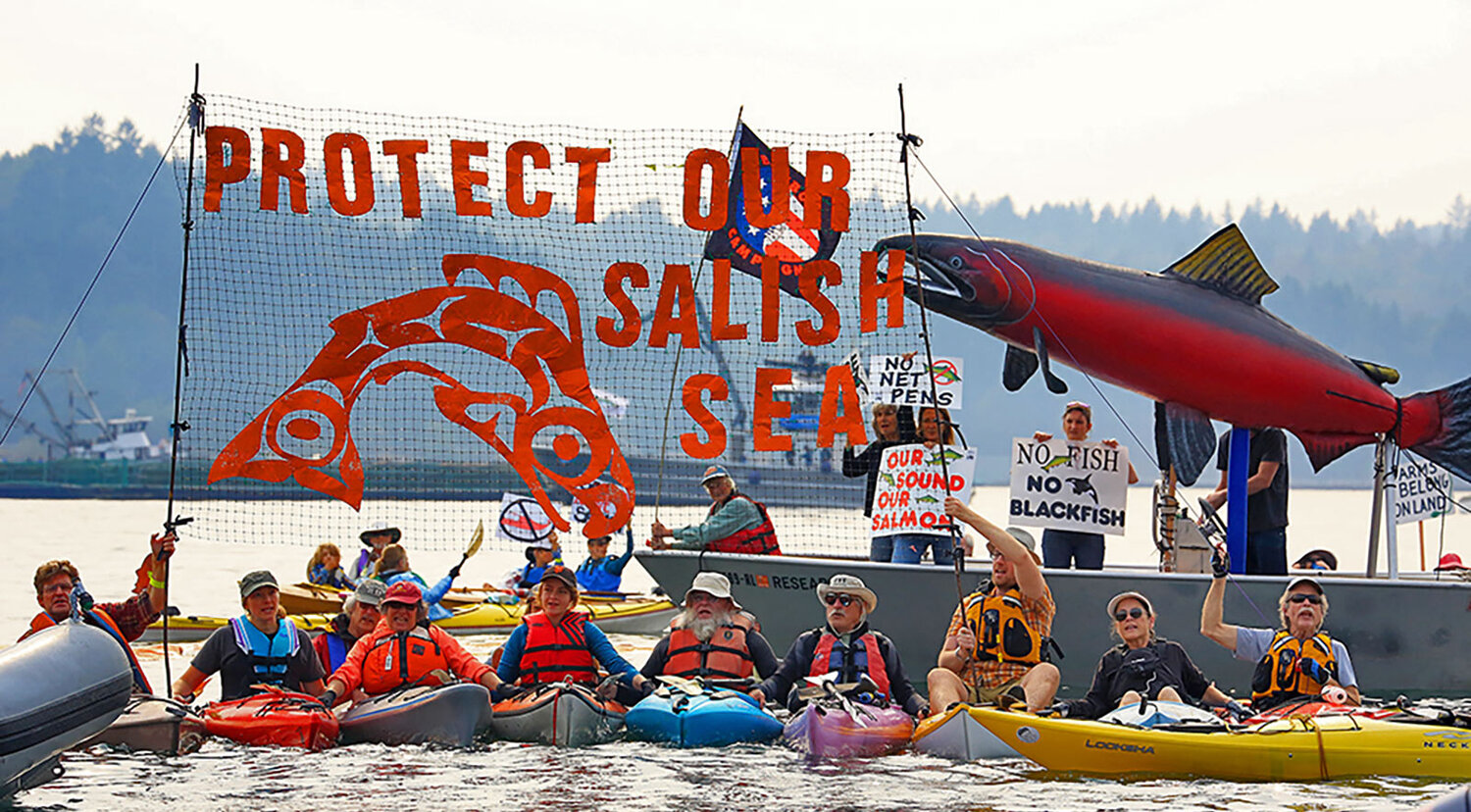
The rejection of salmon farms from the Beagle Channel to Buenos Aires, with a banner displaying the message “No to Salmon Farms in the Argentine Sea” surprised passersby this week in front of the Norwegian Embassy in Buenos Aires.
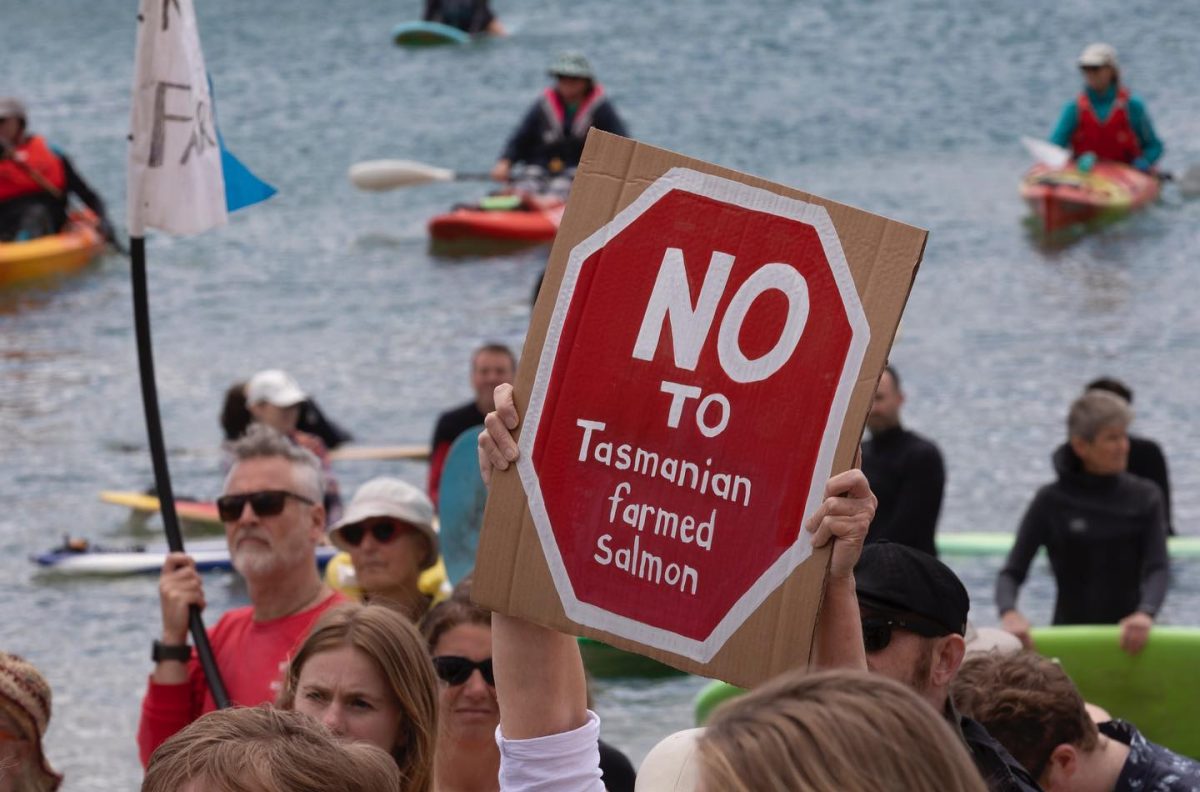
You may have noticed that salmon dishes are becoming less common on local menus. There’s been increasing awareness of the ecological harm being done by Atlantic salmon farms in Tasmania, as more information comes to light about how these industrial farms are polluting waterways in Tasmania and putting vulnerable marine species at risk.
Efforts to scale up aquaculture are increasingly framed as essential to global food security and ocean sustainability, yet such narratives often obscure the complex and interdependent relationships between aquaculture and wild-capture fisheries. This paper critically interrogates the dominant “feed the world” framing of aquaculture expansion, arguing that treating aquaculture and fisheries as isolated systems undermines social equity, ecological sustainability, and effective food policy.
Most farmed seafood comes from fin fish, but a new study urges shifting production toward bivalves and seaweed.
The Last Salmon: a podcast to inspire hope and solutions for a species in crisis.
Hosted by actor, artist and activist, Jim Murray MBE, The Last Salmon, offers hope and solutions to the tragic story that is unfolding for an iconic species - the wild salmon.
Responding to the Rural Affairs and Islands Committee’s conclusions on salmon farming regulation, WildFish said the Committee has delivered a clear and sobering assessment of a system that is failing both wild fish and the marine environment.
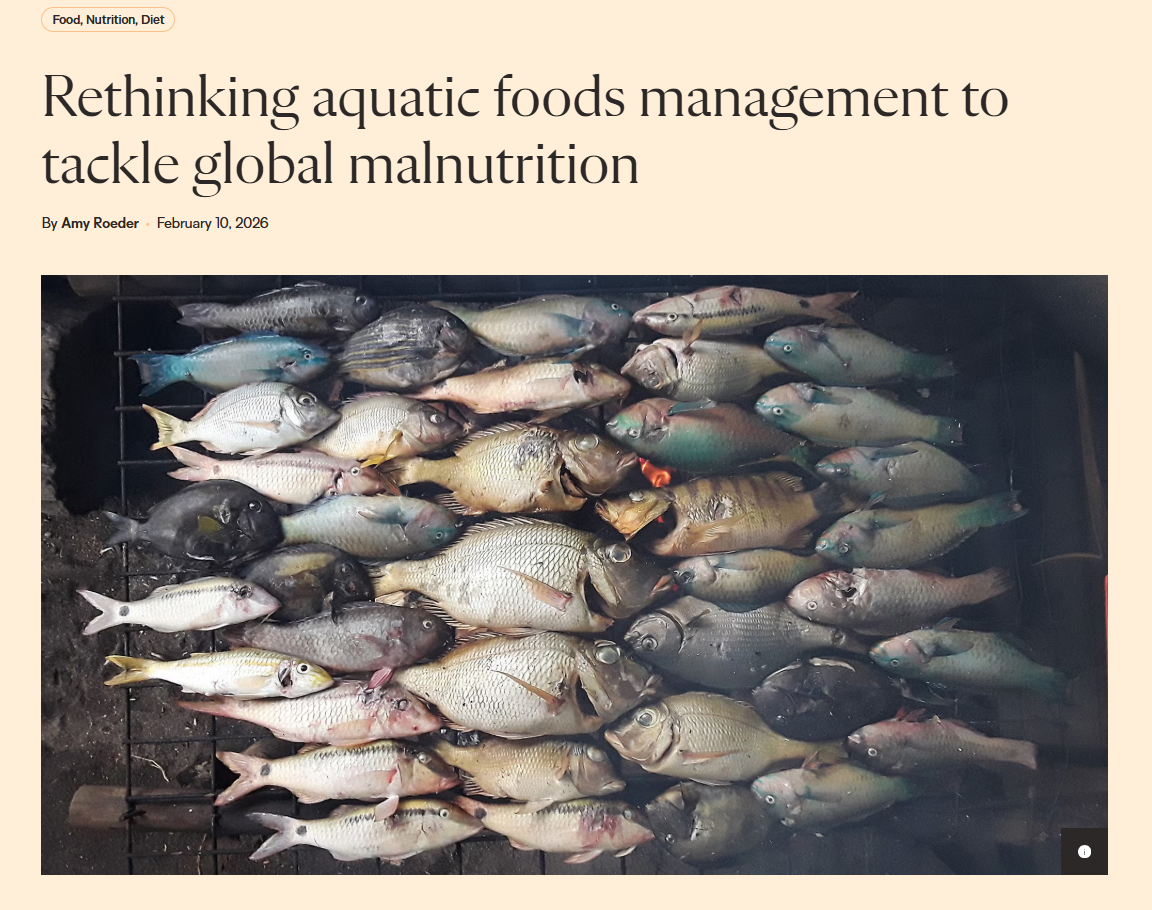
Around the world, more than four billion people aren’t getting enough of key vitamins and minerals they need to stay healthy, according to research led by Harvard T.H. Chan School of Public Health’s Chris Golden. One promising solution: better stewardship of sources of nutrient-rich aquatic foods.
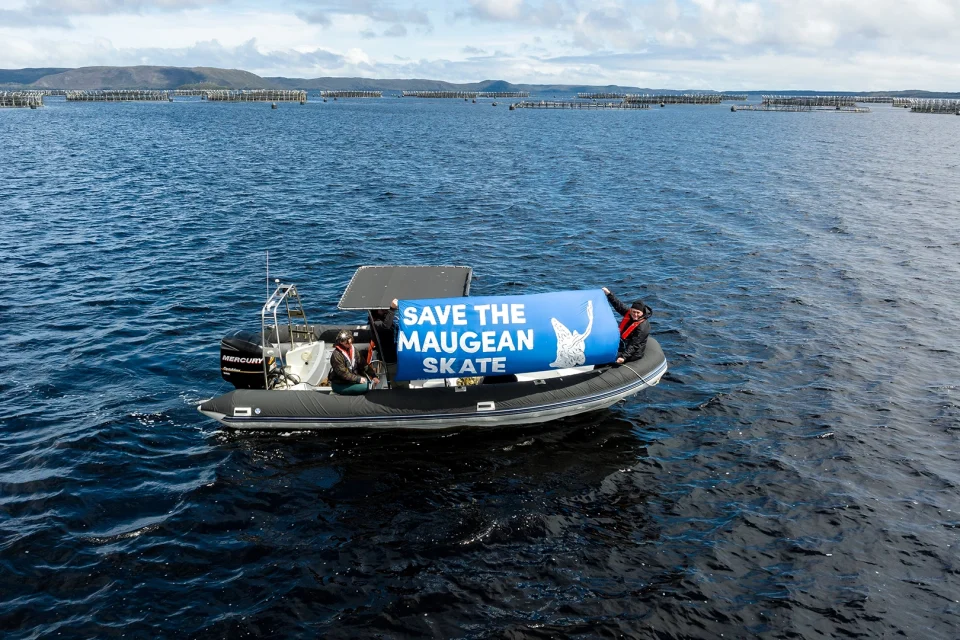
It is imperative that we prevent the disappearance of this ancient species from our planet. Conservation advice from the government’s own department highlights the devastating impact of fish farms on the Maugean Skate population.
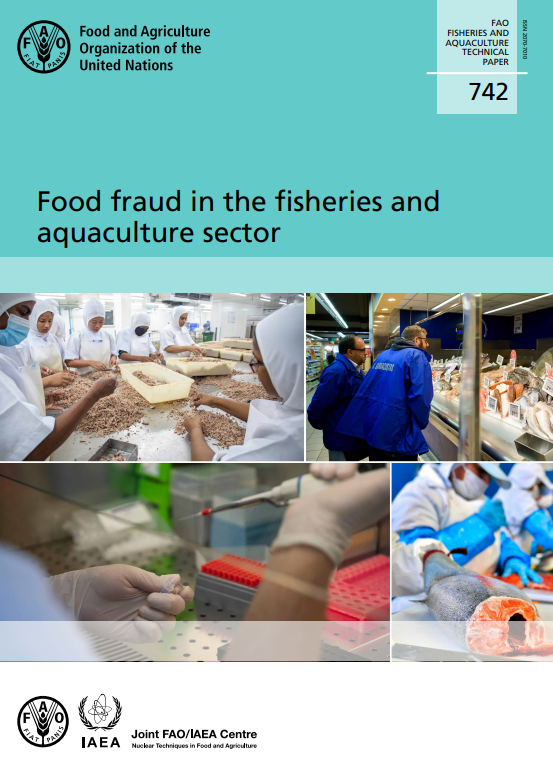
The report reviews regulatory frameworks as well as standards such as those set by Codex Alimentarius, FAO guidelines, and GFSI‑benchmarked schemes, advocating for harmonized labelling, mandatory scientific names, and improved traceability. It emphasizes the role of consumer awareness and industry transparency in combating fraud.
GSFR’s Director, Catalina Cendoya, was interviewed on The Ocean Age podcast as part of a special series exploring ocean advocacy across Argentina and Chile.
This study analyzes the economic impact of salmon farming on Skye and Lochalsh, arguing that current estimates often exaggerate net benefits by focusing on gross effects and omitting critical factors.
The two candidates to fill a vacant Select Board seat tied on Election Day. And residents overwhelmingly voted to enact a 180-day moratorium on industrial-scale aquaculture projects. The Select Board placed that question on the Nov. 4 municipal ballot.
The 2024 Screening Programme investigated antifouling agents and related compounds, as well as delousing agents, and metals near fish farms and a net service station on Norway’s west coast. Samples included seawater, sediment, benthic animals, and production fish.
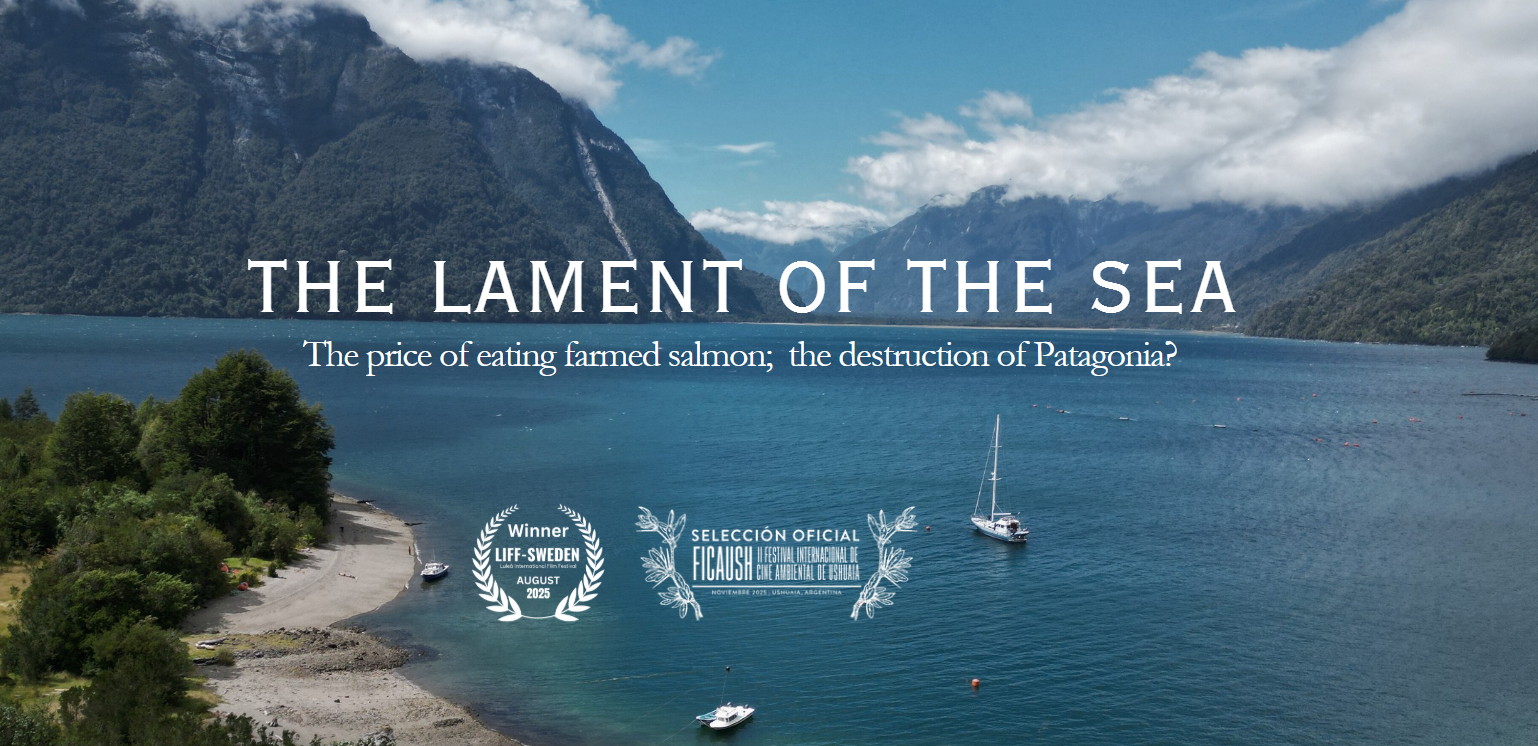
El Lamento del Mar / The Lament of the Sea, a moving documentary that sheds light on the devastating realities of open-net salmon farming.
The Greek Ministry of the Environment unanimously canceled the proposed 28-fold expansion of fish farming on Poros, which would have occupied 25% of the island’s coastline and generated as much waste as a town of 35,000 people — on an island with only 3,500 year-round residents.
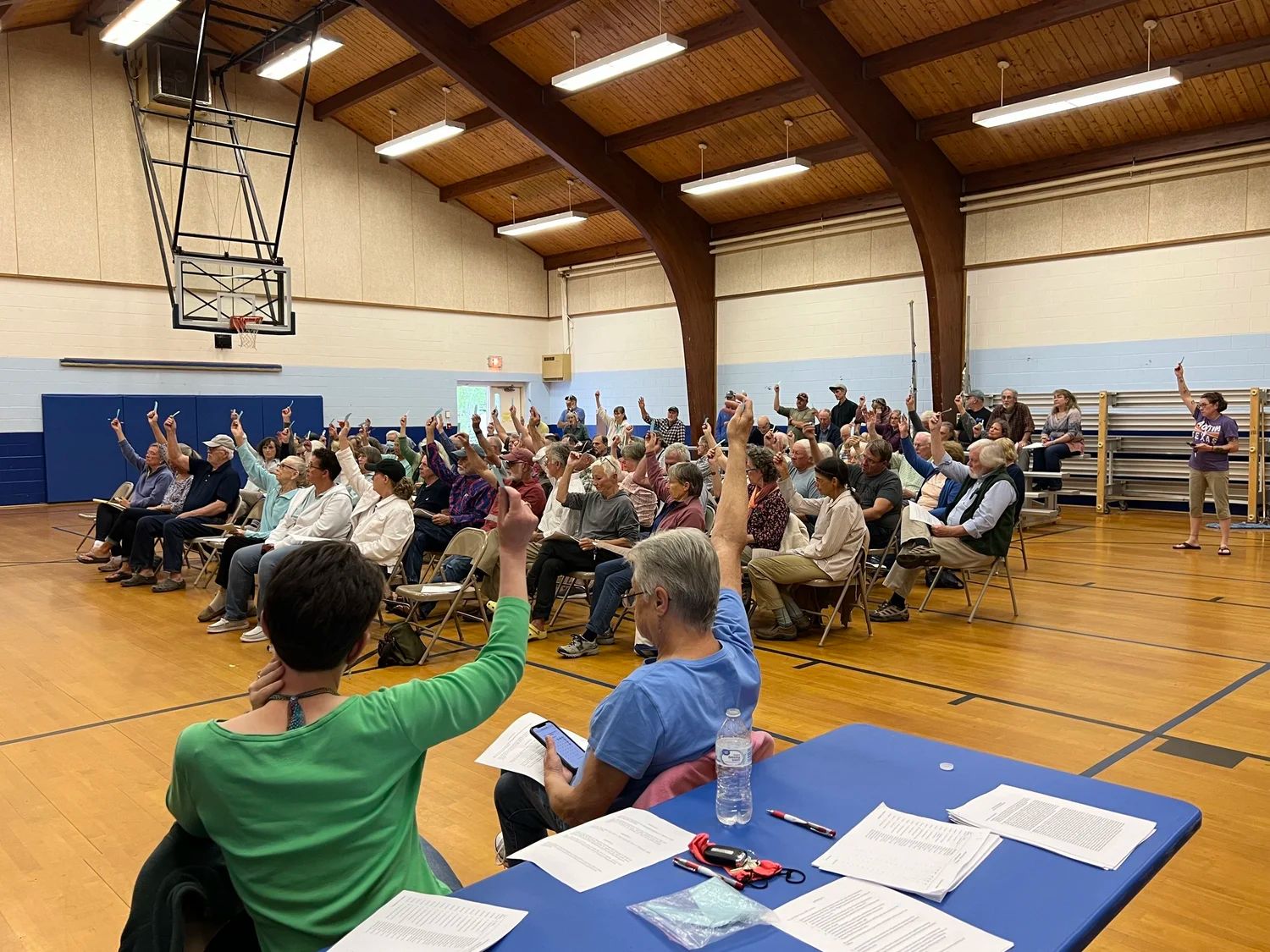
During a four-hour town meeting on August 6 that drew 233 voters, Lubec residents decisively turned down a proposed land use ordinance while narrowly adopting a local aquaculture ordinance. They also adopted updates to the town's Shoreland Zoning Ordinance.
A film by Land and Sea For All exposing the aquaculture industry’s neglect for the environment and local heroes standing up for a cleaner future.
“Stop salmon farming, for good” is a short documentary about families and children in Ullapool, Northwest Scotland, who fought a global salmon farming corporation to protect their local seas and beaches from pollution.
The FAIRR Initiative’s latest analysis determined seven of the world’s largest salmon-farming companies are facing a “critical constraint,” as overreliance on declining wild-caught sources for fishmeal and fish oil (FMFO) are hampering growth, making it imperative that producers diversify feed sources and product portfolios.
This report presents key outcomes from the final phase of FAIRR’s Sustainable Aquaculture engagement, which took place between April 2024 and March 2025. The engagement focused on how major salmon producers can reduce their dependence on wild-caught fish in salmon feed.
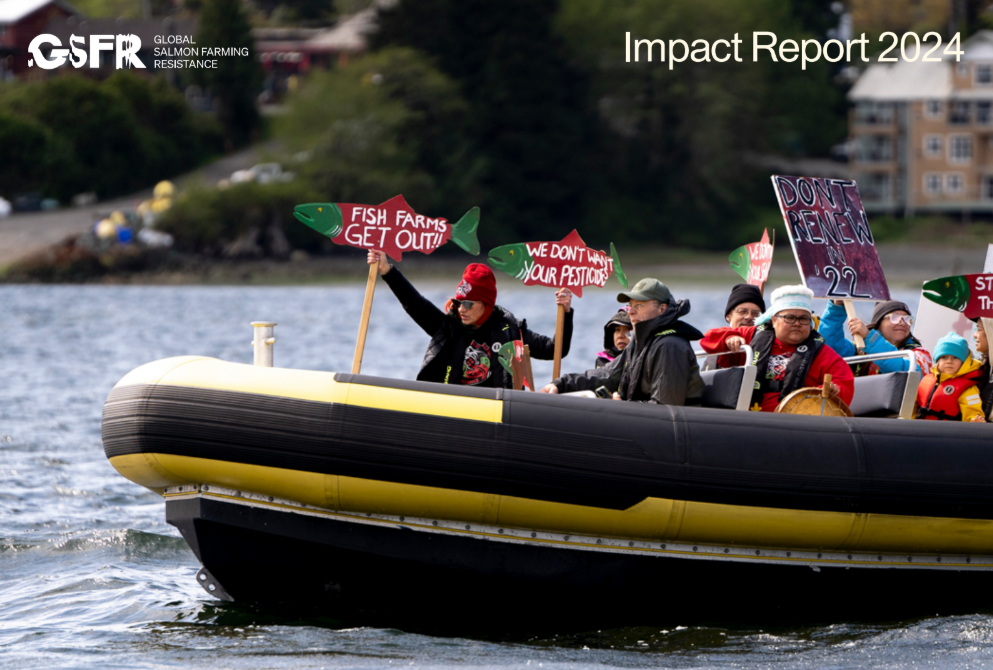
This report details the activities carried out by the GSFR from April 1, 2024 to March 31, 2025.
A new Feedback report—featuring our contributions—exposes how banks, investors, and even taxpayer money are fuelling industrial salmon farming.
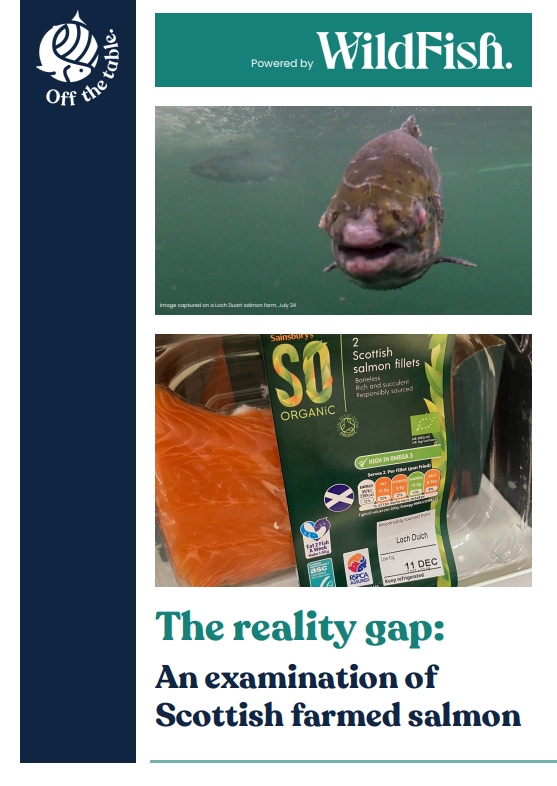
This report analyses the disparity between the public image of Scottish farmed salmon and the operational reality of the industry.
With slogans like “These Are Not Your Waters” and “Go Home, Norway,” Indigenous peoples, local communities, and international environmentalists are using occupations, protests, and legal action to make their voices heard.
Washington State recently garnered international attention for its successful removal of all polluting and hazardous commercial net pens from Puget Sound. Now, the state is on the verge of prohibiting this industry from ever returning.
Conservation Law Foundation filed a notice of intent to sue Cooke Aquaculture for violations of the Clean Water Act at its Maine operations. In Maine, Cooke grows over one million salmon in cages spread across 13 active sites in the state.
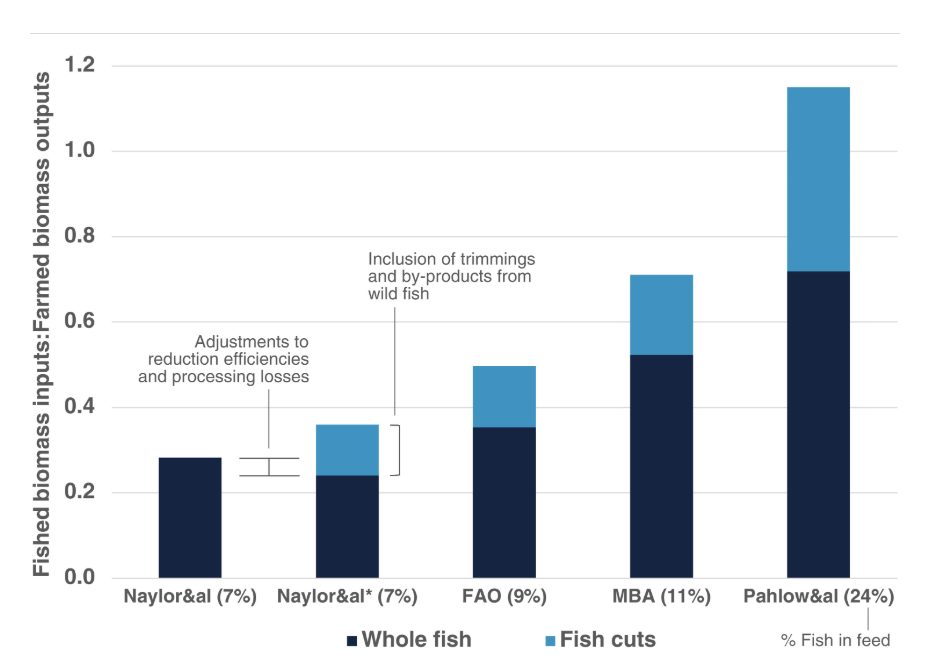
A new study suggests that the global fish farming industry uses as much as 307 percent more wild fish than previously reported, and carnivorous fish such as salmon and trout eat far more seafood than they provide.
Over 70 scientists and conservationists from around the world sent an open letter to world leaders, warning about the threat of industrial salmon farming in open-net pens in Chile’s protected waters.
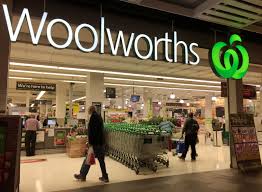
Conservation Law Foundation filed a notice of intent At Woolworths’ annual general meeting in Sydney, shareholders voted against a proposal to stop selling salmon from the harbor. Chairman Scott Perkins said the company is waiting on government study results before deciding further.sue Cooke Aquaculture for violations of the Clean Water Act at its Maine operations. In Maine, Cooke grows over one million salmon in cages spread across 13 active sites in the state.
Following the controversy over salmon farms, a legislator shared details about a proposed law to boost aquaculture production. He clarified, “We don’t want to replicate the Chilean method but instead promote the RAS system.”
A government document published after a request by the Neighbours of Fish Farming, suggest that 1,150 tonnes of fish died in farms in the vast harbour on the state’s west coast between September and March.
Tralopyril, a chemical agent used to control the accumulation of algae and other marine organisms on salmon net pens has been discovered in salmon fillets by the Norwegian Institute of Marine Research (IMR).
This special issue on aquaculture features research on new ways of thinking about this rapidly changing industry and its future. The collection of articles offers robust scientific work that also considers the critical value of animals and their ecosystems. Taken together the findings and thoughtful approaches provided will have global policy implications.
“The salmon farming industry is not a food production system, it is a food reduction system.” This new study suggests that the global fish farming industry uses as much as 307 percent more wild fish than previously reported.
An Icelandic salmon farming company recently experienced a significant fry escape incident due to an open tap in the drain while pumping the fish.
Sites operated by Mowi, Bakkafrost and Scottish Sea Farms were filmed covertly and footage was released by an animal welfare body.
Shareholders from Woolworths Group are pushing to end the supermarkets salmon farming operations in Macquarie Harbour, Tasmania.
In this article, the sustainable restaurant association "examines" the sustainability issues surrounding farmed salmon, including advice and insights from experts and businesses in our network, to explore wheter salmon has a place on a sustainable menu
On October 17th a powerful video lit up Times Square in New York exposing that 420 salmon farms operate within protected parks and reserves in Chilean Patagonia.
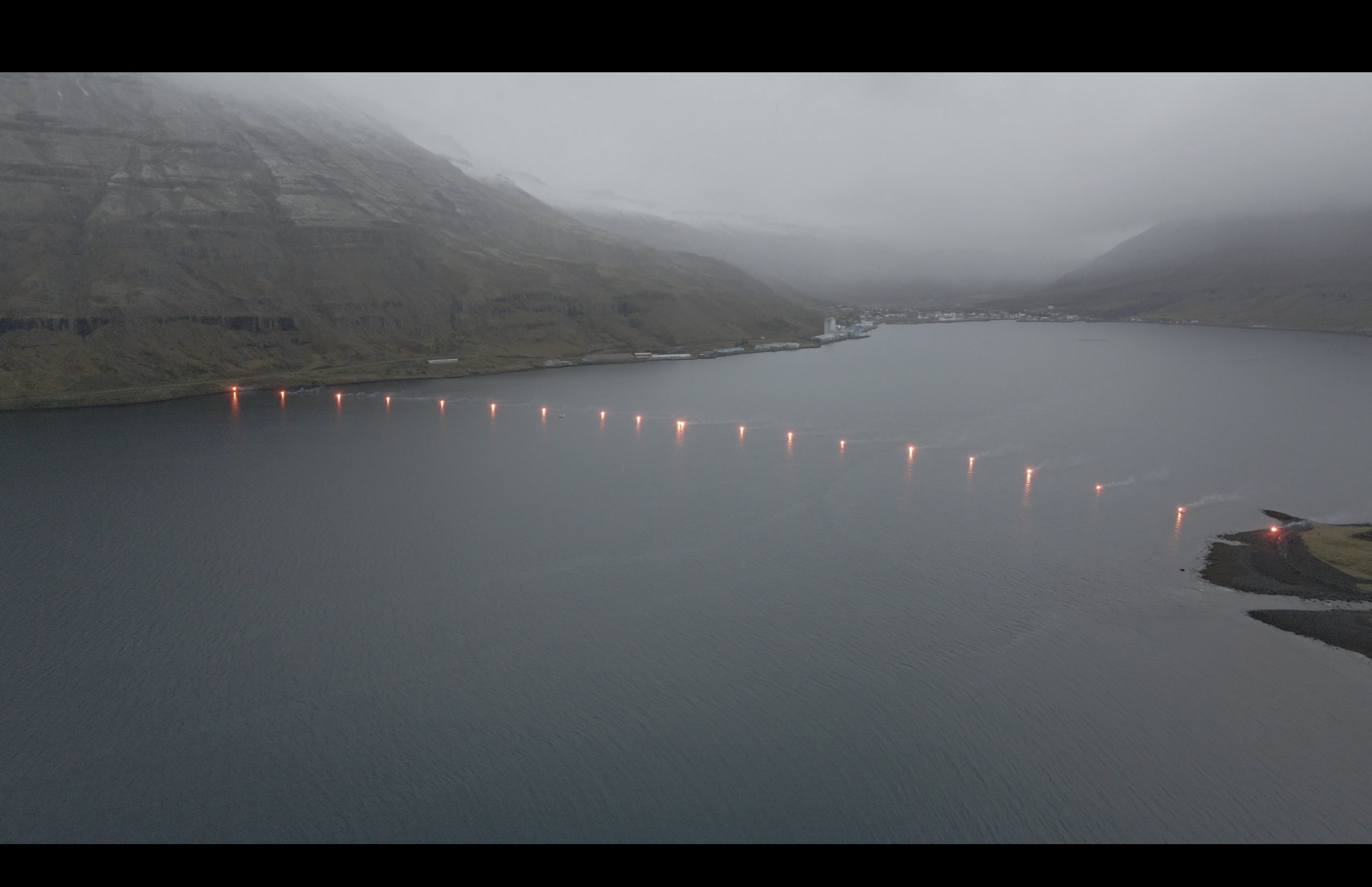
On Saturday, October 12th, Icelandic organisation VÁ Felag held a protest meeting in Seyðisfjörður against the proposed sea pen farming in the fjord.
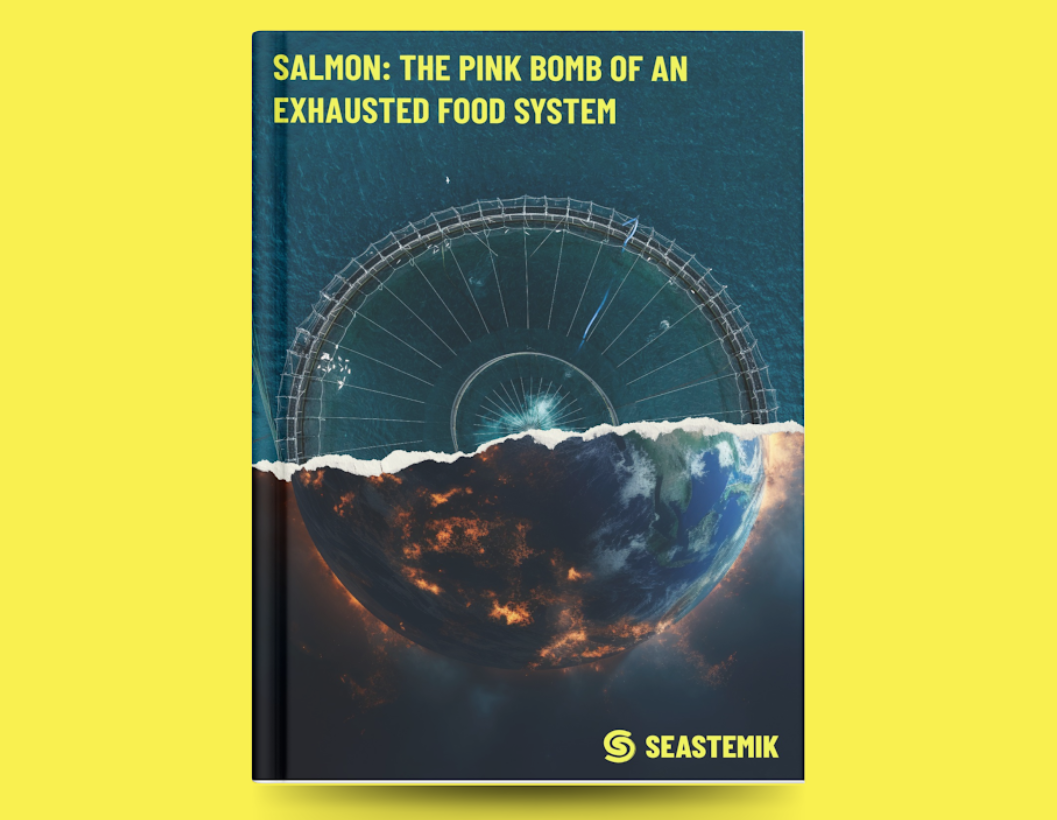
French NGO Seastemik released a report and a platform debunking the myth that the salmon farming industry contributes to global food security and human health by providing Omega-3s.
Kwakwaka’wakw hereditary chiefs share their motivation for challenging the Feds’ five-year fish farm license extension, including lack of consultation, their inherited obligation to the environment, and precautionary stories from those now in the spirit world.
Despite a promise to phae out ocean farms, Fisheries Minister Diane Lebouthillier will allow license renewals for a “responible, realistic, and achievable transition” away from ocean farming.
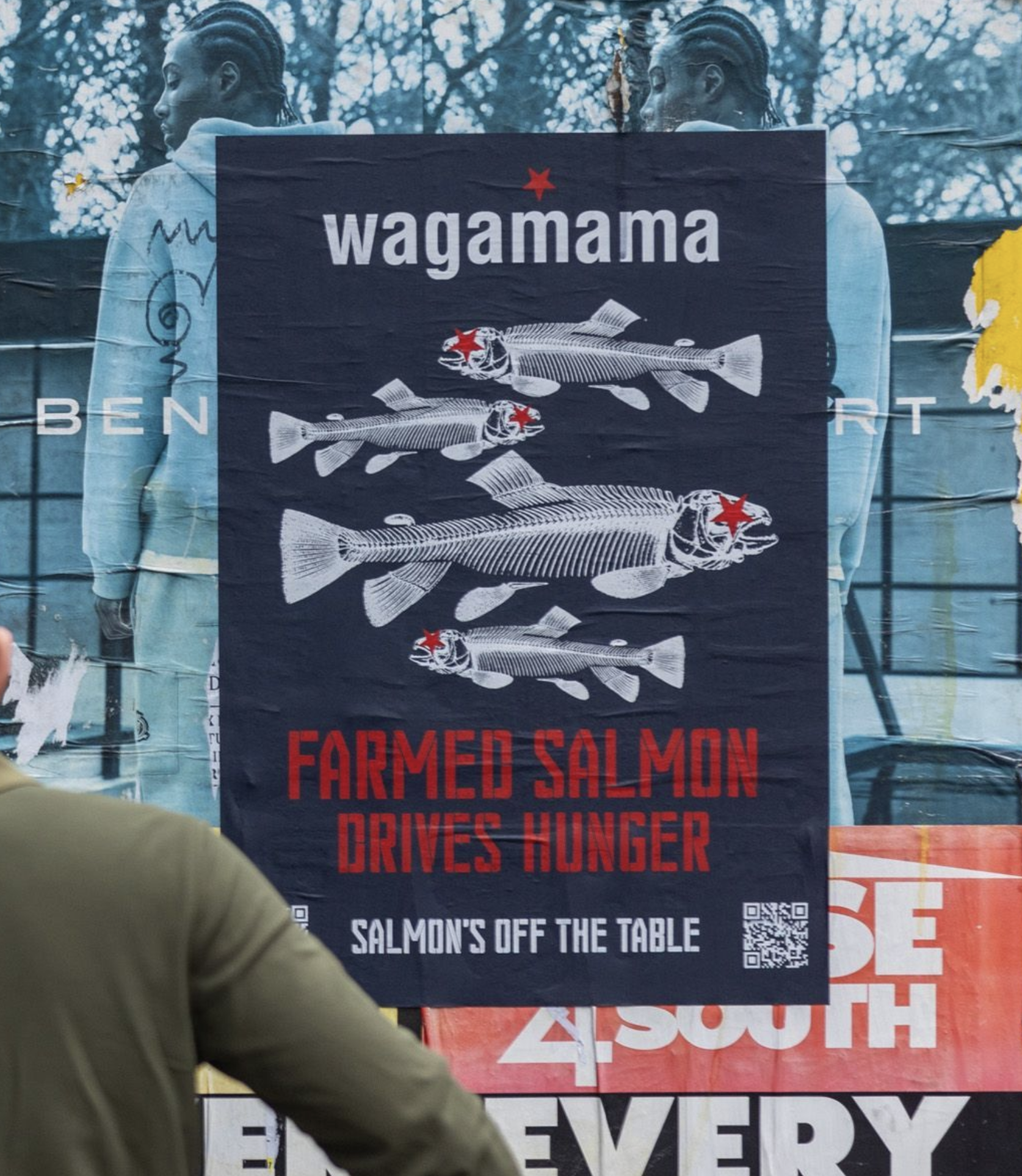
Remember their campaign asking Wagamama to take farmed salmon off the table? The petition has reached nearly 100k signatures so far!
WildFish has launched a new petition calling on the Competition & Markets Authority (CMA) to urgently investigate industry greenwashing.
A salmon farming firm, subsidiary of Mowi Scotland, has been accused of misleading locals in Loch Broom, Scotland, about plans to install a large feed barge at their fish farm…